Hot water is faster. That is its only real advantage. Steep tea leaves in cold water for a few hours and you get a cup with less bitterness and more of the soft, sweet, floral notes that a hard boil tends to scald away. Cold brewing also forgives neglect. Leave a hot steep for ten minutes and the cup is ruined; leave a cold steep in the fridge for ten hours and it is usually still good, sometimes better.
What it does not forgive is a vague plan. "Some tea, some water, overnight" gives you a glass of brown disappointment about as often as it gives you something worth drinking. Use the ratios below as your baseline, then nudge them toward your own taste.
What Cold Water Actually Pulls Out of the Leaf
Cold water is a patient solvent. Over several hours it extracts caffeine, the amino acids that give tea its sweetness and savoury depth, and the volatile aromatics that carry floral and fruity notes. It extracts far less of the tannins and catechins that hot water releases in a rush — and those are the compounds responsible for the drying, grippy sensation on your tongue.
That is why cold-brewed tea tends to taste rounder and naturally sweeter, even with no sugar. The trade-off is body. A cold-brewed Assam will not have the malty punch of a proper hot cup, and a delicate Ceylon may feel thin. If you want snap and briskness, brew hot, chill fast, and pour over ice. If you want softness and aroma, cold brew.
Cold brewing is not a weaker version of hot tea. It is a different drink made from the same leaf.
The Ratio That Works for Almost Everything
Start here: 1 teaspoon of loose tea per 8 fl oz (240 ml) of cold, filtered water. That is roughly 2 to 3 grams per cup, and it puts you in the right range for most teas. Everything else is adjustment.
- Green and white tea: 1 tsp per cup, 4 to 6 hours in the fridge
- Oolong: 1¼ tsp per cup, 6 to 8 hours
- Black tea: 1 heaped tsp per cup, 8 to 10 hours
- Herbal blends and tisanes: 1½ to 2 tsp per cup, 8 to 12 hours
- Hibiscus-heavy blends: 1½ tsp per cup, 4 to 6 hours — longer turns it sour
For a full litre or quart, that means roughly 4 to 5 teaspoons of green tea, 5 to 6 of black, and 6 to 8 of herbal. Make it once, taste it, and write down what you changed.
Weigh the leaf if you can
Teaspoons lie. A teaspoon of whole, wiry oolong weighs noticeably less than a teaspoon of broken black leaf, and both weigh less than a teaspoon of fine fannings. If you own a kitchen scale, use grams: about 8 g per litre for green tea, 10 g for black, and 12 to 15 g for herbal blends. Gram ratios stay consistent no matter what is in the tin.
Use better water than you think you need
Chlorine flattens aroma, and very hard water can make the finished brew look hazy and taste chalky. Filtered or bottled water makes a visible difference here, more than it does in most hot brewing. Always start with cold water from the tap, not water that has been sitting in a warm kettle.
Green Tea: Less Leaf, Shorter Stay
Green tea is the one to watch. Its leaf is delicate and lightly processed, and a long cold steep pulls out a dull, seaweed-ish bitterness that no amount of ice hides. Four to six hours in the fridge is the sweet spot for sencha, dragonwell, and most everyday greens. Gyokuro, being shaded and intensely savoury, does well at the shorter end.
Two habits help. First, keep the leaves loose rather than packed into a tight ball, so water can circulate. Second, strain the tea the moment it hits your target time — a few extra hours in the fridge with the leaf still in will change the cup noticeably. Skip the squeeze of the tea bag or the press of the strainer; that last hard push is where bitterness lives.
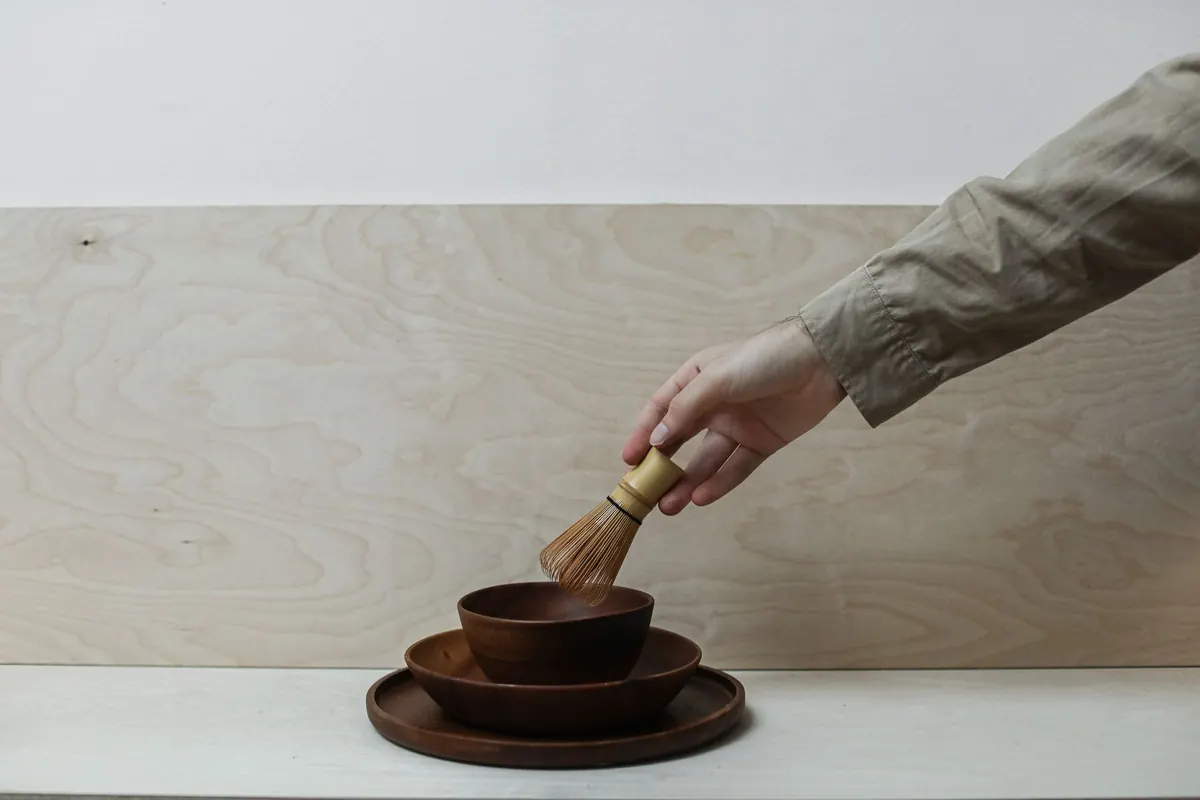
One exception: matcha does not cold brew. It is powdered leaf, so there is nothing to extract. Whisk it directly into cold water or milk instead.
Black Tea: The Overnight Standard
Black tea is the easiest place to start. Eight to ten hours, fridge, and you have something smooth enough to drink unsweetened, with enough tannin structure to stand up to lemon or milk. Assam gives you malt and a heavier body. Darjeeling first flush cold brews beautifully — the muscatel note survives the wait. English breakfast blends were practically designed for this.
Two adjustments. If your tea is finely cut — fannings or dust in a standard bag — pull it at six hours, because it extracts fast. And with flavoured blends like Earl Grey, taste at eight hours; bergamot and citrus peel can turn soapy if left much longer.
Herbal Teas: More Leaf, Longer Time
Herbal blends have no true tea leaf, so you need more material and more patience. Rooibos and honeybush want ten to twelve hours and come out sweet and woody. Dried peppermint and chamomile do well at six to eight. Dried ginger and whole spices need a full twelve, and they reward you with a clean, warm bite that iced tea rarely has.
Use boiling water first with dried roots and spices? No — keep the whole process cold, or you are just making hot tea that got cold. If you want the brightness of fresh mint, add a sprig at serving instead of steeping it overnight.
When Something Tastes Off
- Bitter or drying: too much leaf or too long in the water. Cut two hours off the next batch before you cut the leaf.
- Weak and flat: usually stale leaf or too little of it. Add half a teaspoon per cup and stir the brew once at the start and once at the two-hour mark.
- Cloudy: almost always harmless chill haze — tannins dropping out of solution as the tea gets cold. Hard water makes it worse. Let the glass sit at room temperature and it often clears on its own.
- Sour, fizzy, or off-smelling: discard it. Cold brewing is not sterile. Keep the vessel covered and keep it in the fridge the whole time, not on the counter.
Storing, Serving, and Tweaking
Strain the leaves out, keep the tea covered in the fridge, and drink it within three to four days. Anything older starts to taste like the container rather than the tea. If you want a batch that lasts a week, brew a concentrate: double the leaf, steep the same length, then dilute one part concentrate with one part water or sparkling water when you pour.
Freeze leftovers in an ice tray and use those cubes in the next glass — the tea chills without diluting itself. Sweeten with simple syrup rather than granulated sugar, which will simply sink and sit at the bottom. A squeeze of lemon, a slice of ginger, or a splash of tonic should go in at serving time, not in the steeping jar, where citrus oils can turn harsh over eight hours.
One health note: cold-brewed true tea still contains caffeine, sometimes a fair amount, since caffeine extracts readily in cold water. Herbal tisanes generally do not. If caffeine intake matters for a medical reason, check with a healthcare professional about what fits your situation.
Then keep notes. The ratio you like best will be a little stronger or weaker than the guideline, and it will shift with each tea you buy. A small notebook, or a note on your phone, turns a good batch into a repeatable one.
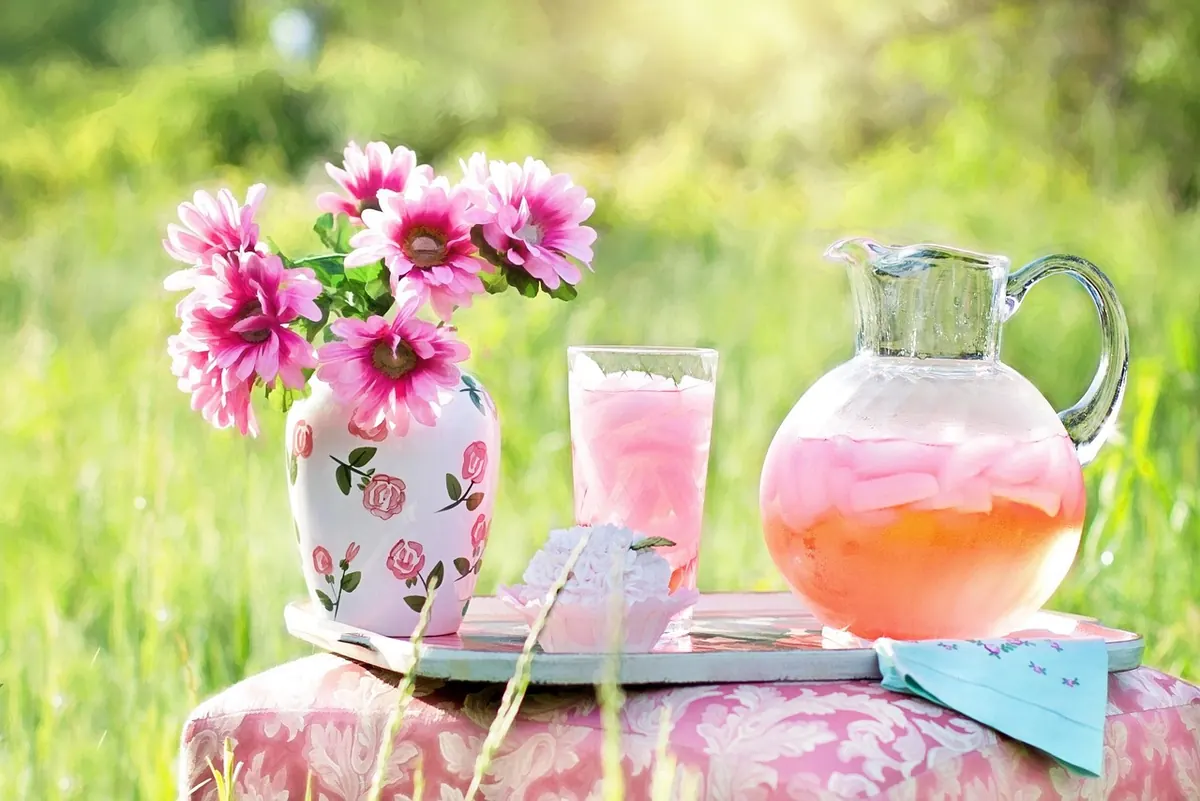
Photo: JillWellington / Pixabay